
What Happens When Coffee Arrives in Europe?
- Level: Level B2
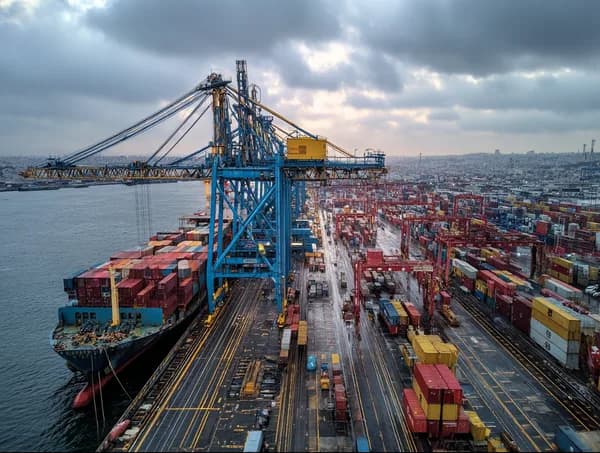
In the previous episode, we followed the coffee beans onto a ship leaving port and crossing the ocean over three to four weeks. Today, the ship has docked. But don’t think that as soon as the coffee beans arrive in Europe, they can go straight into the roaster. In reality, the journey ahead is still quite long and complex.
The first thing that happens is customs clearance /ˈkʌstəmz ˈklɪərəns/ (customs clearance). At major ports such as Hamburg, Antwerp, and Rotterdam, every coffee container must go through a series of checks before it is allowed into the market. The authorities will verify /ˈverɪfaɪ/ (verify) the documents of origin and check whether the shipment meets food safety regulation /ˌreɡjuˈleɪʃn/ (regulations), especially limits on mycotoxin /ˌmaɪkəˈtɒksɪn/ (mold toxins) and pesticide residue /ˈpestɪsaɪd ˈrezɪdjuː/ (pesticide residue).
From 2025, the EU will also apply a new regulation called EUDR, requiring every coffee shipment to prove that it has not caused deforestation /ˌdiːfɒrɪˈsteɪʃn/ (deforestation). This is a regulation that TAVINA and many consulting organizations in Vietnam are helping farmers prepare for, because if they fail to meet its requirements, Vietnamese coffee will lose access to the world’s largest market.
After customs clearance, the coffee is transferred to a warehouse /ˈweəhaʊs/ (warehouse) or sent straight to roasteries /ˈrəʊstəri/ (roasting facilities). Here, the quality team will do a final cupping /ˈkʌpɪŋ/ (tasting) to compare it with the sample agreed upon in the contract. Only when everything matches is the transaction officially complete.
Today’s episode will give you a new perspective: what barriers must Vietnamese coffee overcome to make it onto the shelves of a coffee shop in Paris or Berlin? Let’s listen!
Reviews (0)
WELE does not own the rights to this content. All rights belong to the owner. WELE only uses this content to help users learn English. Contact to request removal of content: [email protected]