
How Is Coffee Stored Safely?
- Level: Level B2
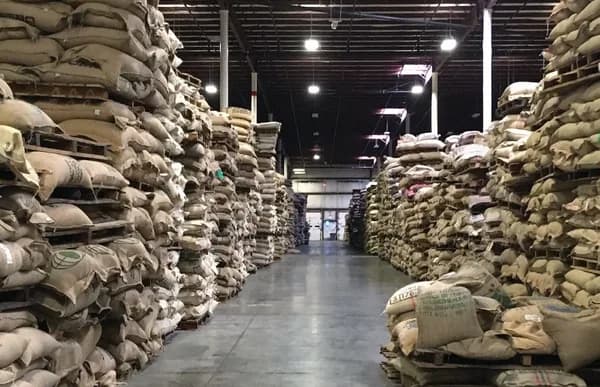
Have you ever wondered: after coffee has been dried, sorted, and bagged, where do the coffee beans stay before being loaded onto ships to travel around the world? The answer is in large warehouses, and what happens inside those warehouses matters much more than you might think.
Green coffee beans may look dry and sturdy, but in reality they are very sensitive /ˈsensətɪv/ (sensitive). Coffee beans can a bsorb /əbˈzɔːb/ (absorb) odors and moisture from their surroundings. If the warehouse does not meet standards, the flavor can deteriorate /dɪˈtɪəriəreɪt/ (deteriorate) significantly in just a few weeks. Worse, mold can develop and produce mycotoxin /ˌmaɪkəˈtɒksɪn/ (mold toxin) , causing the entire shipment to be rejected at the port of import.
In the Central Highlands, where the harvest season lasts from October to January, many farming households and agents have to store /stɔː/ (store) coffee for several months, waiting for prices to rise before selling. Today's listening will tell you what conditions coffee needs to be stored in: from controlling humidity /hjuːˈmɪdəti/ (humidity) and temperature /ˈtemprətʃə/ (temperature) , to how to stack coffee bags on pallet /ˈpælɪt/ (pallet) to keep them from coming into direct contact with the warehouse floor. You'll also understand why many major exporters use ventilation /ˌventɪˈleɪʃn/ (ventilation) systems and continuously monitor /ˈmɒnɪtə/ (monitor) the temperature using electronic sensors.
This is knowledge that not only people in the coffee industry need to know, but anyone concerned about food quality should understand. Let's listen!
Reviews (0)
WELE does not own the rights to this content. All rights belong to the owner. WELE only uses this content to help users learn English. Contact to request removal of content: [email protected]