
How Is Coffee Exported Around the World?
- Level: Level B2
Every day, millions of cups of coffee are enjoyed in Europe, Japan, the United States, and all over the world. But almost all of that coffee is grown somewhere very far away: in the tropics. So how can coffee beans from a small farm in the Central Highlands appear in a café in Berlin or Tokyo just a few weeks later?
The answer lies in a vast logistics /ləˈdʒɪstɪks/ (logistics) system that few people outside the industry know about. To export coffee, sellers and buyers must sign a contract /ˈkɒntrækt/ (agreement) specifying the quantity, quality, price, and delivery time. Before being loaded onto a ship, each shipment must pass through customs /ˈkʌstəmz/ (customs) , where the paperwork is checked and the certificate of origin is confirmed.
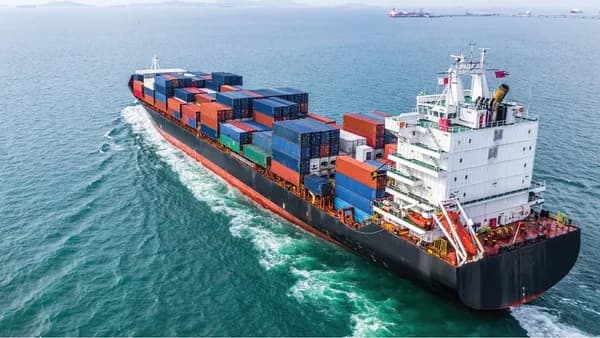
Vietnam exports about 90% of its coffee production, with Cat Lai Port and Dong Nai Port serving as the main gateways. From here, container /kənˈteɪnə/ (freight container) s weighing dozens of tons are loaded onto c argo ship /ˈkɑːɡəʊ ʃɪp/ (freight ship) s bound for destinations around the world. The sea voyage to Europe takes about three to four weeks, and throughout that time, the coffee beans must be protected from moisture /ˈmɔɪstʃə/ (dampness) and high temperatures inside the container.
Today’s listening will take you on the coffee beans’ journey from a warehouse in Vietnam, through a seaport, across the ocean, and into the hands of a buyer in another country. You’ll understand why the coffee industry depends so heavily on shipping route /ˈʃɪpɪŋ ruːt/ (sea shipping route) and why even a small delay /dɪˈleɪ/ (delay) can affect the quality of an entire shipment. Let’s listen!
Reviews (0)
WELE does not own the rights to this content. All rights belong to the owner. WELE only uses this content to help users learn English. Contact to request removal of content: [email protected]